 954 778 650
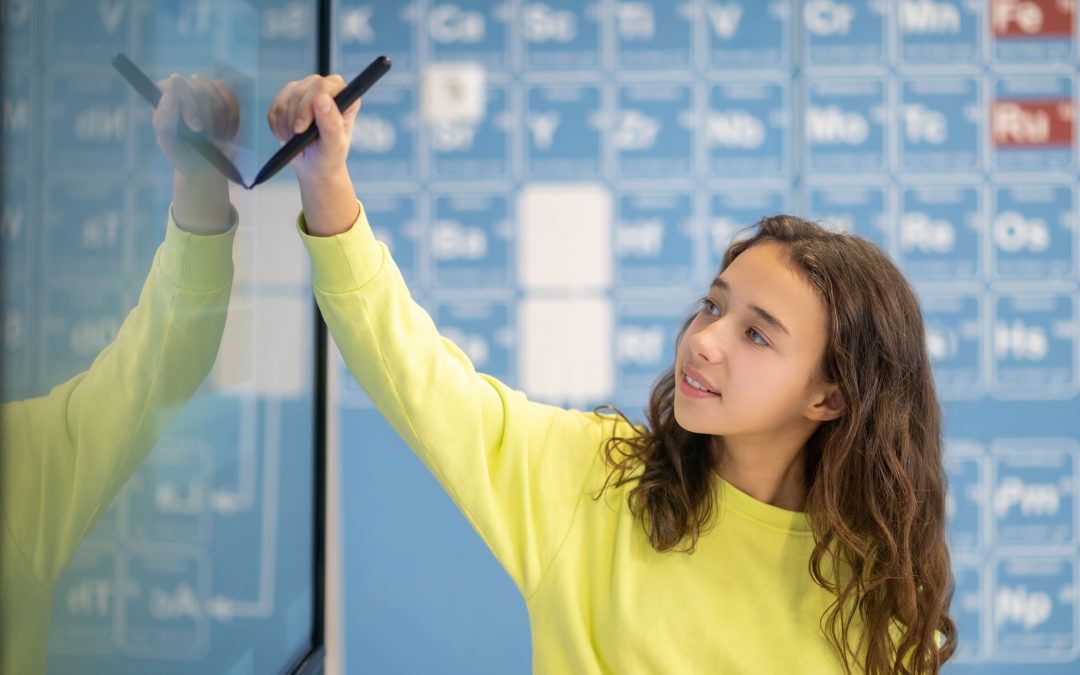
Digital interactive whiteboards have revolutionized the way education is delivered in classrooms worldwide. These technological tools offer a wide range of possibilities to enrich the teaching-learning process and encourage active student participation. In this article, we will explore various educational activities that can be carried out using a digital interactive whiteboard and how these can benefit the educational process.
Benefits of Using a Digital Interactive Whiteboard
Before delving into educational activities, it’s important to highlight some of the key benefits of using a digital interactive whiteboard in the classroom. These include:- Increased Interactivity: Digital whiteboards allow students to actively participate in class, engaging in hands-on activities and answering questions interactively.
- Diverse Resources: With a digital whiteboard, teachers have access to a wide variety of educational resources, such as videos, interactive presentations, educational games, and learning apps.
- Personalized Learning: Activities on the digital whiteboard can be tailored to the individual needs of each student, allowing for more personalized and effective learning.
Educational Activities for Digital Interactive Whiteboards
- Review Games: Use interactive games to review key concepts and assess student progress. Games like “Questions and Answers,” “Word Search,” or “Guess the Word” are excellent options.
- Creating Presentations: Invite students to create interactive presentations on specific topics using the digital whiteboard. This allows them to research, organize information, and practice presentation skills.
- Virtual Simulations: Use virtual applications and simulations to conduct scientific experiments, explore mathematical concepts, or recreate historical events interactively.
- Math and Science Exercises: The digital whiteboard can be used to solve math problems, create graphs and diagrams, and explore scientific concepts visually and practically.
- Drawing and Creativity: Encourage students to express their creativity through drawing and creating visual content on the digital whiteboard. This can include creating concept maps, flowcharts, or illustrations related to the topics of study.